

Choosing a Professional Coffee Grinder
While brewers tend to focus on the espresso machine or the quality of the beans used but a high-quality coffee grinder is just as important. This is especially relevant when making espresso, which requires a fine and consistent grind size.
The DF64 is characterized by flat burrs and a uniform size of the grind and a clean taste. It also has the benefit of being able to upgrade to new burrs should you require it.
Selecting Grinder
The coffee grinder is one of the most essential components of any espresso-based cafe. Selecting the best professional coffee grinder is crucial to ensure that you are producing high-quality, consistent cups every time. When you are looking for an industrial grinder, it is important to consider a variety of aspects to determine the best model for your business.
For starters, evaluate the capacity of the grinder. Check that it is able to handle the amount of beans you must grind every day. Examine the RPM and wattage of your grinder to determine its efficiency. A higher RPM and wattage will enable the grinder to grind more quickly while an RPM and wattage that are lower will result in a slower grinding.
Another aspect to consider is the type of burrs you want to employ. A lot of industrial-sized grinders have conical steel burrs as well as flat burrs. Each has its own advantages. Conical burrs, for instance can result in some fines that are not as fine, which could be beneficial to certain styles of brewing. On the other hand flat burrs are generally preferred by baristas with experience due to their greater uniformity.
After you've decided on the kind of burrs you prefer then it's crucial to examine the grinder's overall structure and durability. best budget espresso grinder coffeee.uk -sized grinding machines will have a sturdy and durable design, as well an engine that is built to handle large amounts of use.
Consider the size of the hopper. It's the container where beans are stored prior to when they are ground. Commercial-size grinders usually have large hoppers that can hold several pounds of beans at one time.
Size
The body or base of the grinder is usually home to an enormous motor. These are typically built to be used in commercial settings and have a higher power capacity than personal or home coffee grinders. This is crucial, since it allows grinders to grind beans for hours without overheating. Overheating the coffee grounds can cause them to ignite and ruin their flavor. A larger motor also delivers more torque at lower speeds, which makes it easier to mill your coffee without losing its flavor or resulting in bitter grounds.
The consistency of the grind size is essential for a top quality cup of coffee. Different brewing methods require a different grind size to maximize extraction and enhance the coffee's flavours. For instance coarser grinds work great with French press and cold brew, however finer grinds are ideal for espresso and Aeropress. Regularly cleaning your grinder will reduce residue build-up that could negatively impact grind size consistency.
The majority of commercial coffee grinders include a chamber for dosing (also known as doser). They are designed to support the handle of your group while you load the espresso machine. The doser then turns the section to drop the precise amount of ground coffee into the portafilter. Some grinders also provide to a finer, more uniform grind for Turkish coffee or filter coffee.
Some grinders also feature the option of a flat burr which is ideal for espresso. The flat burrs are constructed with two rings that sit on top of each other and rotate to grind your beans. This leaves a tiny space for water to flow through, which is ideal for espresso machines.
Weight
Commercial coffee grinders will be utilized for a long time and must be able perform consistently. They should be able handle the load of a bustling café without overheating. They should also be able to produce consistently good results, regardless of regardless of whether they grind for espresso or drip coffee. This is why it's important to choose a grinder that is built with high-quality components and has enough power to be able to operate all day.
A commercial coffee grinder is typically equipped with a mechanism for grinding made of two burrs, which are made of steel with sharp grooves resembling teeth. The burrs rotate in opposition to each other in order to cut the beans. The size of the particles is determined by the grind setting that is chosen. A fine grind is suitable for pour-over brews and cold brewing, whereas the coarser grind is used for drip coffee or espresso.
The actual grinding chamber is located over the bottom of the grinder. The grinder may have an upper dosing compartment that can be set to weigh the desired amount of ground coffee to be released. The grinder can also have a hopper to hold the coffee beans until they are ready to grind.
The capacity of the hopper on a coffee grinder can vary widely and will affect the quantity of beans that can be ground at once. Choosing a large capacity model is beneficial when you need to grind enough coffee to fill many portafilters simultaneously or if you wish to avoid refilling the hopper frequently.
Durability
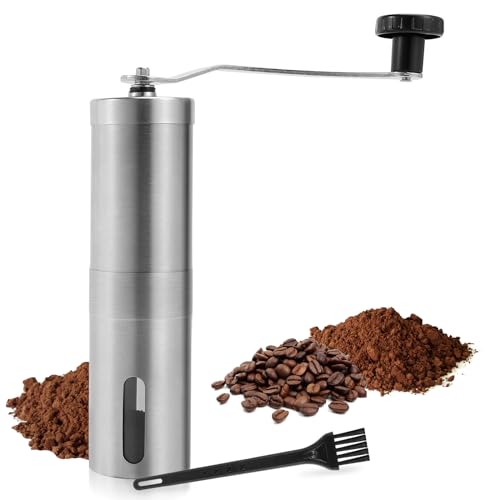
A grinder should be able to endure the rigors of heavy use while remaining in good shape. Find one that is made of top-quality materials and sturdy construction. A reputable coffee grinder should also be easy to clean, particularly when it is used regularly. You can make use of a vacuum cleaner or air compressor to get rid of coffee residues and dirt from the removable components, like the grind chamber or hopper. If the burrs are disassembled then you can make use of brushes to clean them, or a specially designed burr cleaner.
The type of grinder you choose will also affect its longevity. Blade grinders are less expensive however they produce lots of heat when grinding beans. This can cause damage to beans and change their flavor prior to making them ready for brewing. Burr grinders are more durable, and they produce better results. They are made from steel or ceramic burrs, and are classified into flat and conical varieties.
In addition to the model of grinder, the way the grinder is utilized will have an impact on its longevity. If the collar can be rotated and is not secured it is likely to wear out and alter the settings. You can find an release button on the grinder that will lock the collar in place to prevent accidental changes.
A commercial grinder will help your staff to serve customers with fresh, delicious coffee. You can keep the aroma and taste of the beans by grinding them just before making coffee. In contrast, coffee that has been ground has lost some of its taste and can be more bitterness than it needs to. With a grinder, you can avoid this by restricting the time beans are exposed to oxygen.
Noise
A good commercial coffee grinder is loud -because it's grinding beans, after all. Some grinders are louder than others. This can affect your workflow and reduce the quality of coffee for your customers. If you're looking to cut down on the noise, select a grinder that grinds beans quiet.
The noise level of a grinder is greatly dependent on the amount of beans being processed at once. A grinder with a large hopper can grind more beans at the same time which causes it to produce more noise. Additionally, the type of burrs and product materials influence the level of noise a grinder makes. Conical burrs can reduce noise and heat more effectively and produce more heat.
A high-quality coffee grinder is essential to brewing excellent coffee. It ensures that beans are roasted evenly, so that the essential flavors are extracted when hot water is poured over them. It's important to keep in mind that even a professional grinder will wear out over time, resulting in less precise grinding.
Maintaining your grinder in good condition requires regular cleaning, checking the components for wear and tear and understanding its settings. This is especially true when you use your espresso maker. It is crucial to examine the machine for signs such as excessive heat generation and grind retention. These can affect your brew’s flavor and smell. Additionally, it's essential to clean the grinder on a regular basis to remove any coffee residue or dirt.